


 Tiếng Việt
 한국어
한국어 中文 (中国)
 日本語
日本語In Vietnam’s current industrial landscape, over 90% of investors are building factories and warehouses using steel structures, also known as pre-engineered factories. This is considered an optimal solution for investors, as it saves both cost and time, provides durability of up to 50 years, and allows easy dismantling, relocation, or expansion.
Let’s explore with Nam Trung why pre-engineered factory construction offers such outstanding advantages.
1. What Is a Pre-Engineered Factory?
A pre-engineered factory is a type of factory built with steel structure components that are fabricated in advance, then transported to the construction site for erection. Unlike traditional factory construction, where materials are built in place, pre-engineered factories are designed, manufactured, and assembled in the factory before being installed on site.
Once components are fully manufactured, they are transported to the site and erected according to pre-prepared plans. Thanks to this pre-engineering process, factory construction becomes faster, more cost-effective, and reduces material waste. At the same time, quality control is ensured throughout both fabrication and erection.

Image: Structural steel column manufactured at Nam Trung factory
2. Components of a Pre-Engineered Factory
Pre-engineered factories generally include steel frames, wall and roof panels, doors and windows, electrical and plumbing systems, and more. These components are manufactured according to design drawings with strict accuracy control to ensure uniformity and durability.
2.1 – Steel Frame Structure: The main structural system, including columns, beams, and girders. Provides stability, strength, and support for the overall structure.
2.2 – Wall Panels and Roof Panels: Wall panels form the outer shell, while roof panels cover the top. They are typically made of steel, aluminum, or composite materials with good water resistance and thermal insulation.
2.3 – Doors and Windows: Installed to provide access and improve natural ventilation and lighting inside the factory.
2.4 – Electrical and Plumbing Systems: Include wiring, fixtures, water pipes, and drainage systems designed to meet operational requirements.
2.5 – Ventilation and HVAC Systems: For large or specialized factories, ventilation and HVAC are installed to maintain ideal working conditions.
2.6 – Fire Protection Systems (FAS): Integrated equipment and technologies designed to prevent fire spread and protect the structure against fire risks.

Image: Structural components of a pre-engineered steel factory
These components are fabricated in manufacturing plants, then transported and assembled into a complete factory. The convenience and uniformity of this process reduces construction time while ensuring quality.
👉 See also: Steel Structure Fabrication Process
3. Why Should Investors Choose Pre-Engineered Steel Factories?
Building pre-engineered factories brings many benefits to businesses and industrial projects. Key reasons include:
3.1 – Time Savings: Fabricated in factories, components are pre-prepared and only require erection on site, significantly shortening project timelines.
3.2 – Cost Savings: Pre-engineering reduces material waste and labor, lowering construction costs. Shorter schedules also reduce labor and project management expenses.
3.3 – Uniformity & High Quality: Produced in controlled environments, components ensure consistent, reliable quality, minimizing errors common in traditional construction.
3.4 – Easy Customization: Pre-engineering allows flexible customization based on client needs—factories can be tailored in terms of size, utilities, doors/gates, and technical specifications.
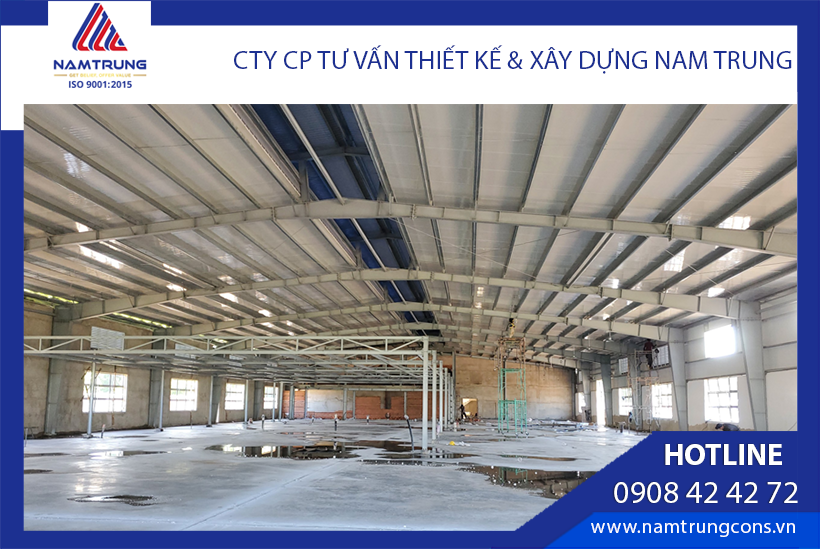
Image: Chung Ah Vina Project – Large steel factory with integrated cleanroom
3.5 – Sustainability & Eco-Friendliness: Pre-engineering reduces construction waste and environmental impact.
3.6 – Easy Relocation & Reuse: Factories can be relocated and reused, optimizing asset use. Components can also be recycled, reducing waste further.
These advantages make pre-engineered factories an attractive choice for businesses and industrial projects.
👉 See also: How to Optimize Factory Construction Costs
4. Steps for Pre-Engineered Factory Construction Projects
4.1 – Step 1: Planning & Design
Ensure compliance with construction codes and standards.
Define project requirements: size, functions, design needs, and infrastructure.
Select a contractor to prepare plans and design.
4.2 – Step 2: Pre-Engineered Component Production
Manufacture components such as steel frames, wall panels, roof panels, doors, windows, and MEP systems under strict quality control.
4.3 – Step 3: Transporting Components to Site
Use trucks or specialized vehicles to transport prefabricated components to the construction site.
4.4 – Step 4: Erection & Finishing
Complete finishing with painting, surface treatments, and installation of details such as gates, windows, and safety systems.
Contractor erects the components according to design plans.
Install MEP systems (electrical, plumbing, ventilation, HVAC).
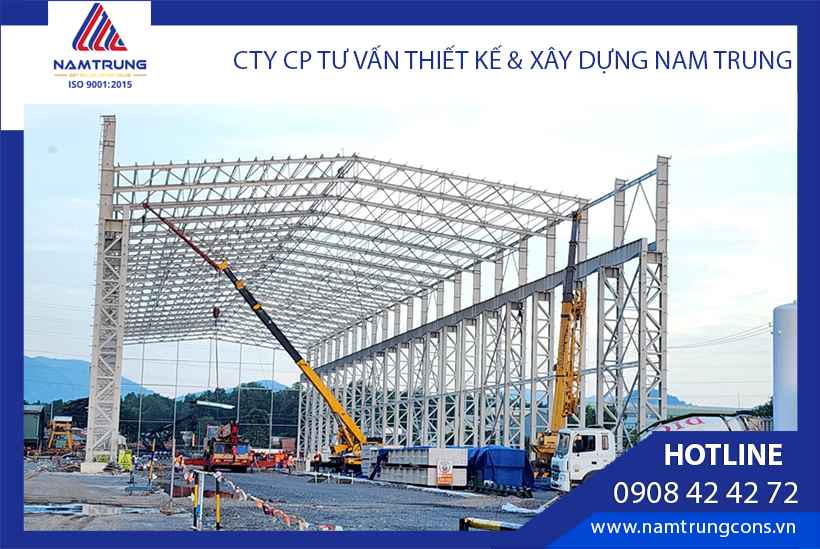
Image: Steel structure erection – CSWIND factory project
4.5 – Step 5: Inspection & Acceptance
Conduct safety and performance tests.
Perform quality and safety inspections to confirm compliance with all standards.
4.6 – Step 6: Handover & Operation
After acceptance, the completed pre-engineered factory is handed over to the owner or project manager for use.
Note: Construction steps may vary depending on project size and requirements. However, the pre-engineered process generally shortens schedules and reduces costs compared to traditional construction.
