


 Tiếng Việt
 한국어
한국어 中文 (中国)
 日本語
日本語Estimated reading time: 5 minutes

In the complex world of industrial and commercial construction, understanding the EPC full form—Engineering, Procurement, and Construction—is the first step to unlocking a streamlined, efficient, and risk-mitigated project delivery method. This article will demystify the EPC contract model, detailing its phases, key advantages, and critical considerations. We will explore why this turnkey approach is particularly advantageous for steel structure and pre-engineered building projects, and how an experienced contractor like Nam Trung Construction executes the EPC meaning in construction to deliver complete, operational facilities from concept to handover.
Key Takeaways
- Single-Point Responsibility and Risk Mitigation
- Fixed Price and Schedule Certainty
- Faster Project Delivery (Time-to-Market)
- Quality and Performance Guarantee
1. What is the EPC Full Form in Construction?

The EPC full form stands for Engineering, Procurement, and Construction. It represents far more than an acronym; it is a comprehensive EPC project delivery strategy and a specific type of contract. Under an EPC agreement, a single entity—the EPC contractor—assumes total responsibility for the entire project lifecycle. This includes the detailed design (Engineering), sourcing of all materials and equipment (Procurement), and the physical building and commissioning of the facility (Construction).
The ultimate goal is to deliver a fully functional, “turnkey” project to the client, who simply needs to “turn the key” to begin operations. This model contrasts sharply with traditional methods where the client manages multiple separate contracts for design, purchasing, and building, often leading to coordination challenges, finger-pointing, and schedule delays. For clients investing in pre-engineered steel buildings or complex steel structures, the clarity and single-point accountability offered by the EPC full form model are invaluable.
To understand how this model operates in real construction projects, you can explore a more detailed explanation of how the EPC model works in construction projects
2. Decoding the EPC Meaning in Construction: A Phased Approach
To fully grasp the engineering procurement construction meaning, one must understand the sequential yet often overlapping phases that define this methodology. Each phase is interdependent, requiring meticulous planning and integration to ensure the project’s success.
Phase 1: Engineering – The Foundational Blueprint

The “E” in the EPC full form is where the project’s vision is translated into actionable, technical plans. This phase is critical for steel structures, as it determines not only aesthetics but also structural integrity, efficiency, and cost-effectiveness.
- Conceptual & Detailed Design: This goes beyond basic architectural drawings. It involves civil, structural, mechanical, and electrical (MEP) engineering. For a pre-engineered steel building, this includes precise load calculations, connection details, and integration of cladding systems.
- Value Engineering: A key service offered by expert contractors like Nam Trung Construction. This process optimizes the design to achieve the required functionality and safety at the lowest possible lifecycle cost, often by selecting the most efficient steel profiles and connection methods.
- Permitting and Compliance: The EPC contractor manages the entire process of securing necessary construction permits and ensuring the design complies with all local Vietnamese regulations and international standards, a significant burden lifted from the client.
Phase 2: Procurement – Strategic Sourcing and Supply Chain Mastery
Procurement is the logistical engine of the EPC model. It involves sourcing, purchasing, and delivering all materials, components, and equipment to the construction site on schedule.

- Supplier Qualification & Tendering: An EPC contractor leverages established networks to identify and qualify reliable suppliers for primary materials like structural steel, roofing, insulation, and critical equipment.
- Cost and Schedule Control: Bulk purchasing power allows for better pricing. The contractor meticulously schedules material deliveries to align with the construction sequence, preventing costly site congestion or work stoppages.
- Quality Assurance: This includes factory inspections, material certification reviews (e.g., for steel grade), and logistics management to ensure components for your steel building arrive undamaged and ready for installation.

Phase 3: Construction – Execution and Commissioning
This is the most visible phase, where the design and materials coalesce into a physical structure. For steel projects, this involves specialized expertise.
- Site Management & Steel Erection: Professional project management ensures safety, quality, and adherence to schedule. Skilled crews perform the precise erection of steel frames, a process where experience drastically impacts speed and accuracy.
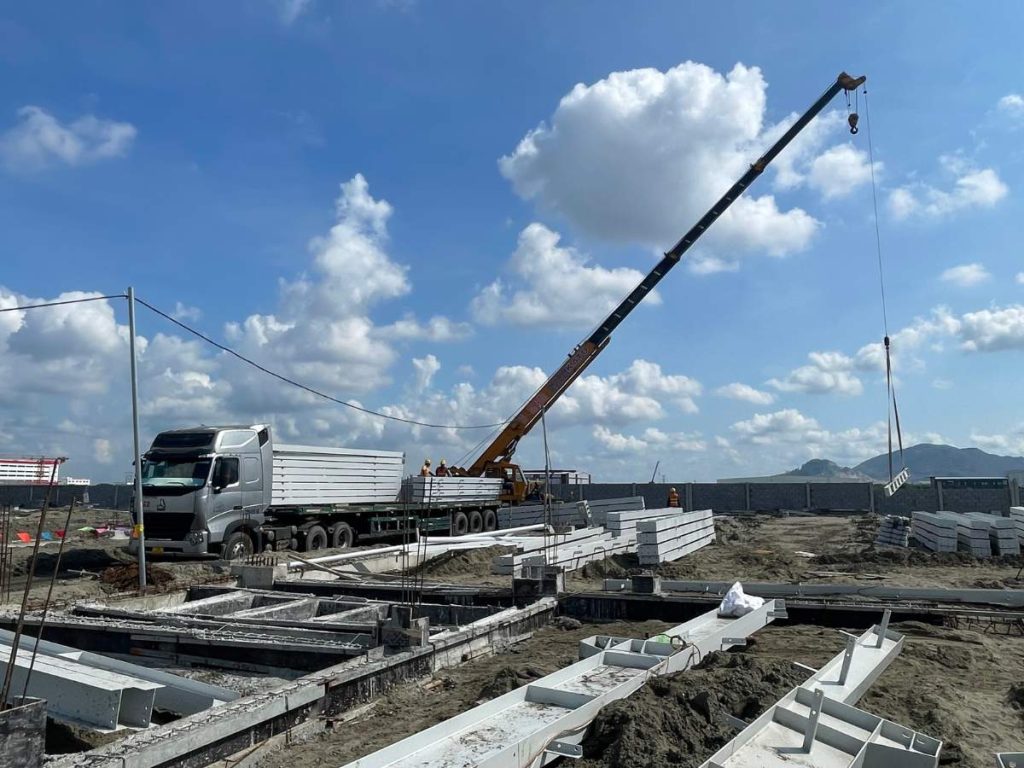
- Integration & Installation: This phase includes installing the building envelope (walls, roofing), MEP systems, cranes, and any internal fit-outs. All components are integrated according to the engineered design.
- Testing, Commissioning, and Handover: The final, crucial step. All systems are rigorously tested. The contractor trains the client’s personnel and provides all operational manuals and warranties, formally handing over a facility that is ready for immediate operation. This complete handover is the definitive embodiment of the engineering procurement construction meaning.

3. Key Advantages of the EPC Model for Steel Building Projects
Why has the EPC full form become synonymous with large-scale industrial and commercial projects? The benefits are substantial, especially for steel-based constructions.
- Single-Point Responsibility and Risk Mitigation: The client has one contract and one point of contact. Any issue—be it a design flaw, a material delay, or a construction error—is the sole responsibility of the EPC contractor. This eliminates disputes between separate designers and builders and provides immense peace of mind for the investor.
- Fixed Price and Schedule Certainty: EPC contracts are often agreed upon as lump-sum or fixed-price agreements with a defined completion date. This allows for precise financial planning and protects the client from cost overruns due to design changes or procurement inefficiencies, provided the project scope is well-defined.
- Faster Project Delivery (Time-to-Market): The integrated nature of EPC allows phases to overlap. For instance, foundation work can begin while final steel fabrication drawings are being approved, and long-lead items can be ordered early in the design phase. This parallel processing significantly compresses the overall project timeline, allowing businesses to become operational sooner.
- Quality and Performance Guarantee: Reputable EPC contractors like Nam Trung Construction stand behind the entire project. The performance of the finished facility—from the structural soundness of the steel frame to the efficiency of the lighting system—is their guarantee, ensuring the final asset meets all specified requirements.
4. EPC Contractor vs. General Contractor: A Critical Distinction
While both manage construction, their roles differ fundamentally. A General Contractor (GC) typically builds from a client-provided complete design and may subcontract specialized work. Their focus is primarily on the “C” (Construction). An EPC contractor, however, is involved from the very beginning, owning the “E” and “P” as well. They are not just builders; they are technical solution providers and total project integrators. For a complex warehouse, manufacturing plant, or aviation hangar built with steel, the deep technical involvement of an EPC firm from the design stage ensures buildability, optimizes material use, and prevents costly redesigns during construction.
5. Why Choose Nam Trung Construction as Your EPC Partner?
At Nam Trung Construction, we live and breathe the EPC meaning in construction. We specialize in applying this powerful model to steel structure and pre-engineered building projects across Vietnam and for international clients. Our expertise transforms the theoretical benefits of EPC into tangible results:
- Integrated In-House Expertise: Our team combines structural engineers, procurement specialists, and construction managers under one roof, ensuring seamless communication and control throughout every project phase.
- Mastery of Steel: We understand the nuances of steel fabrication, connection design, and erection logistics. We don’t just build; we engineer for efficiency, durability, and value in every beam and bolt.
- Proven Track Record: We have successfully delivered turnkey factories, warehouses, showrooms, and infrastructure projects, consistently meeting and exceeding client expectations for quality, budget, and schedule.

If you have any questions about structural steel or pre-engineered buildings, please feel free to contact Nam Trung Construction for the best support.
6. Conclusion: Unlocking Project Success with the EPC Model
In summary, the EPC full form—Engineering, Procurement, and Construction—represents the gold standard for delivering complex, high-quality industrial facilities. It is a model defined by single-source accountability, integrated planning, and a guaranteed outcome. For projects utilizing pre-engineered steel buildings and custom steel structures, the precision, speed, and risk management inherent in the EPC approach are not just beneficial; they are often essential for success. Understanding the deep engineering procurement construction meaning empowers investors and project owners to choose the right delivery method for their vision.
Ready to experience the efficiency and certainty of a true turnkey project? Contact Nam Trung Construction today to discuss how our EPC expertise can bring your next steel building project to life, on time and on budget.
NAM TRUNG DESIGN & CONSTRUCTION CONSULTING JOINT STOCK COMPANY
A leading EPC contractor for civil, industrial, commercial, and infrastructure projects in Southeast Vietnam.
🏠 119 Le Loi, Phu My Ward, Ho Chi Minh City
☎ (+84) 908 90 42 72 / (+84) 908 42 42 72
✉ sales@namtrungcons.com
🌐 namtrungcons.vn
Frequently Asked Questions (FAQ)
What does EPC stand for?
EPC stands for Engineering, Procurement, and Construction. It is a turnkey project delivery model where a single contractor manages all phases from design to commissioning, ensuring streamlined execution and single-point accountability.
What are the key phases of the EPC model?
The EPC model consists of three core phases: Engineering (detailed design and planning), Procurement (sourcing of materials and equipment), and Construction (physical building and commissioning). These phases often overlap to accelerate project delivery.
Why is the EPC model beneficial for steel building projects?
The EPC model offers significant advantages for steel buildings, including single-point responsibility, fixed price and schedule certainty, faster time-to-market, and guaranteed quality and performance. It is particularly effective for pre-engineered steel structures due to the need for precise integration from design to erection.
How does an EPC contractor differ from a general contractor?
An EPC contractor is involved from the initial design phase, managing engineering, procurement, and construction under one contract. A general contractor typically focuses only on construction based on client-provided designs. The EPC contractor offers end-to-end integration and assumes full project risk.
What expertise does Nam Trung Construction bring to EPC projects?
Nam Trung Construction provides integrated in-house expertise in steel structure engineering, procurement, and construction. With a proven track record in turnkey projects, they ensure optimized designs, efficient sourcing, and high-quality execution for steel buildings across Vietnam and internationally.
