


 Tiếng Việt
 한국어
한국어 中文 (中国)
 日本語
日本語1. What Is Steel Structure?
- A steel structure is an assembly of metal components connected together from steel members to transfer and withstand loads. Steel structures are commonly used in projects such as bridges, high-rise buildings, factories, manufacturing plants, airports, and other infrastructure works.
- Using steel structures in construction offers outstanding advantages such as high durability, excellent load-bearing capacity, flexibility in bending, and resistance to corrosion.
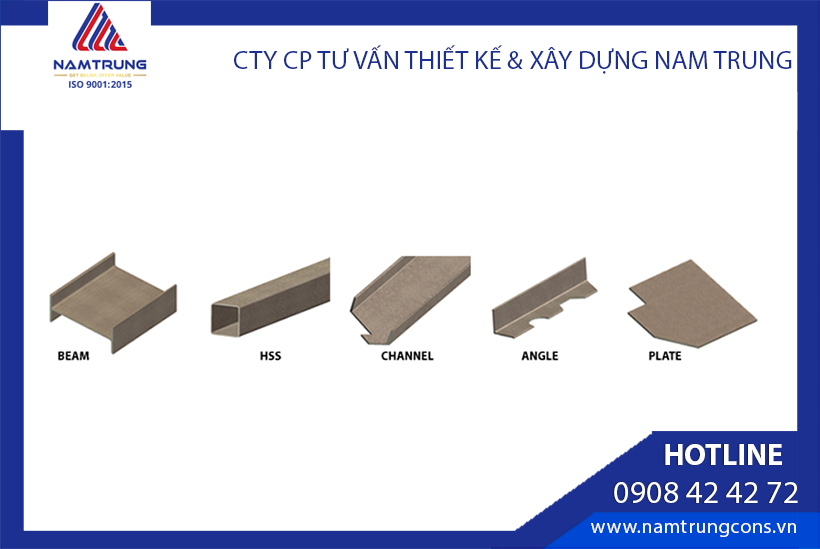
Steel structure components
2. Types of Steel Structures
There are various types of steel structures used in construction depending on the specific requirements of each project. Below are some common types:
a) Geometric Steel Structures
Steel Columns: Primary load-bearing elements, typically used to support the weight of floors in high-rise buildings or bridges.
Steel Beams: Usually placed horizontally between columns to resist bending and transfer loads from the roof to the columns.
b) Tubular Steel Structures
Steel Piles: Solid cylindrical steel bars, often driven into soil or concrete to support foundations and transfer loads.
Tubular Beams: Used as load-bearing components in factories and industrial structures.
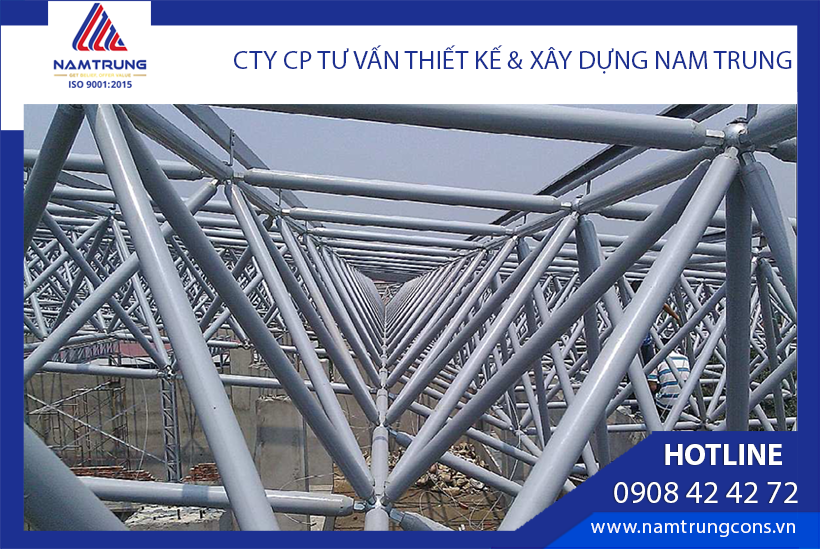
Tubular roof steel structure
c) U-Channel Steel Structures
U-Channels: U-shaped rolled steel members often used in building factory frames and flooring systems.
d) Box Section Steel Structures
Box Sections: Hollow box-shaped steel members commonly used where high load capacity and stiffness are required.
e) Arch Steel Structures
Typically used in bridge construction and projects requiring high flexibility to accommodate ground movement.
f) Fire-Resistant Steel Structures
Certain types of fire-resistant steel are designed to reduce fire risks in case of accidents.
g) Industrial Steel Structures
Factory Structural Frames: Widely applied in factory and industrial construction thanks to their flexibility and fast installation.
h) Roof Steel Structures
Roof Frames: Rolled steel members designed to create roofing systems for buildings such as residences, restaurants, and shopping centers.
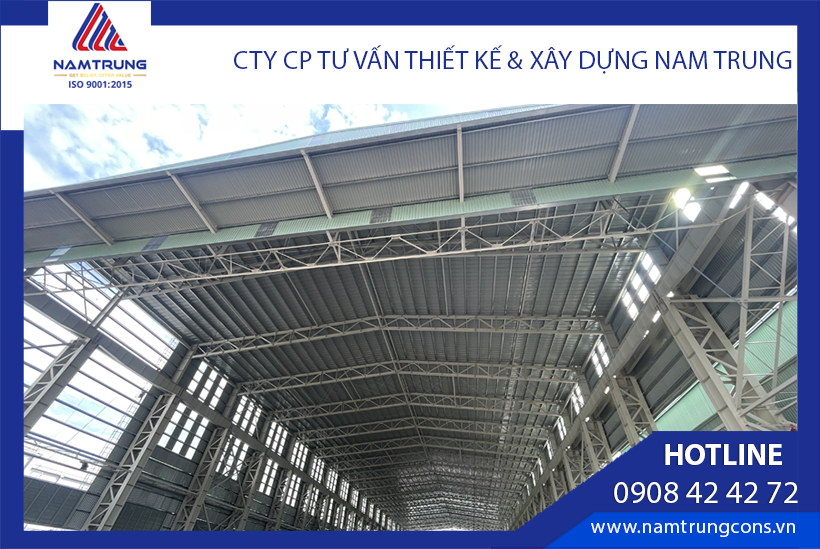
Steel structure at CSWIND project
➤These types of steel structures can be combined and customized to meet the specific requirements of each construction project.
Advantages of Steel Structures in Construction
Steel structures bring many benefits in construction, especially when compared to materials like brick, concrete, or wood. Some advantages include:
a) High Strength
Steel has high tensile and compressive strength, allowing structures to carry heavy loads without significant deformation.
b) Flexibility in Bending
Steel offers excellent ductility, making it suitable for projects requiring components with complex shapes.
c) Lightweight
Relative to its strength, steel is lightweight, reducing loads on columns and foundations.
d) Ease of Fabrication & Installation
Steel can be easily processed in factories, reducing erection time and improving efficiency on site.
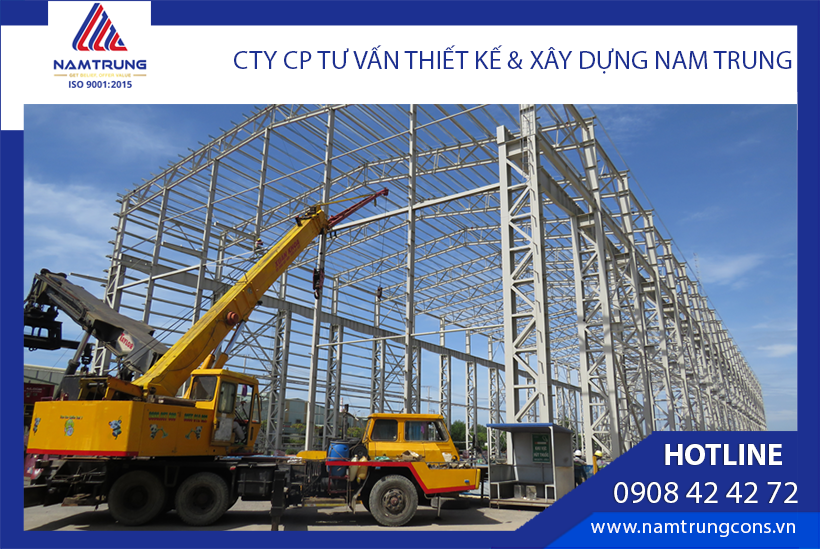
Steel structure for CSWIND factory project
e) Recyclability
Steel can be recycled and reused efficiently, reducing waste and benefiting the environment.
f) Wide Applicability
Steel structure used in many types of structures such as bridges, high-rises, factories, and industrial projects.
g) High Accuracy
Steel structure production and fabrication are strictly controlled, ensuring high precision in both manufacturing and installation.
h) Khả Năng Chống Cháy:
Compared to wood, steel has greater fire resistance, reducing the risk of fire-related incidents.
➤These advantages make steel structures a popular choice in construction, particularly in projects with high requirements for durability and flexibility.
Applications of Steel Structures in Construction
Steel structures are widely applied in construction and industry thanks to the benefits they offer. Below are some common applications:
a) High-Rise Buildings
Frequently used in constructing skyscrapers due to their strength and flexibility.
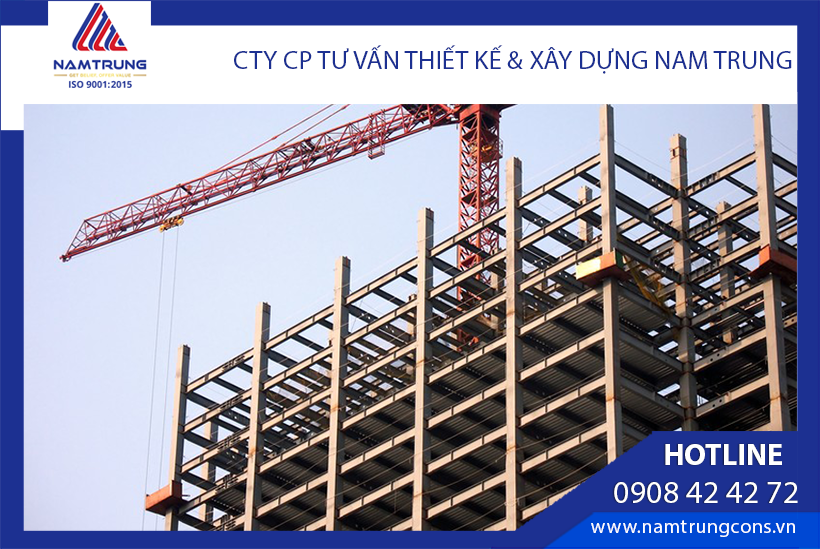
High-rise building with steel structure
b) Bridges & Transportation Works
Steel bridges and transport structures rely on steel frameworks for load capacity, safety, and stability.
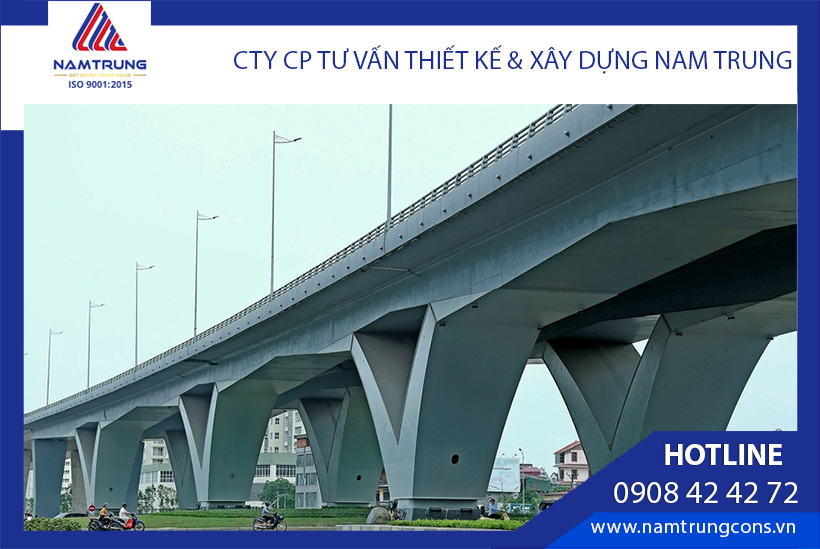
Steel overpass bridge
c) Factories & Industrial Zones
Steel structures are commonly applied to build factories, warehouses, and production facilities in industrial parks.
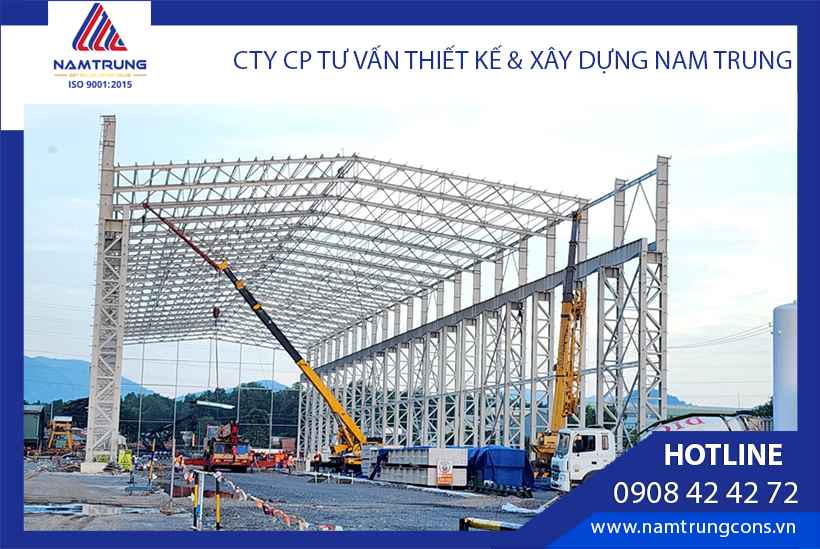
CSWIND wind tower manufacturing plant
d) Residential Houses & Townhouses
Steel structures can be used in residential projects, especially where mobility and modernity are required
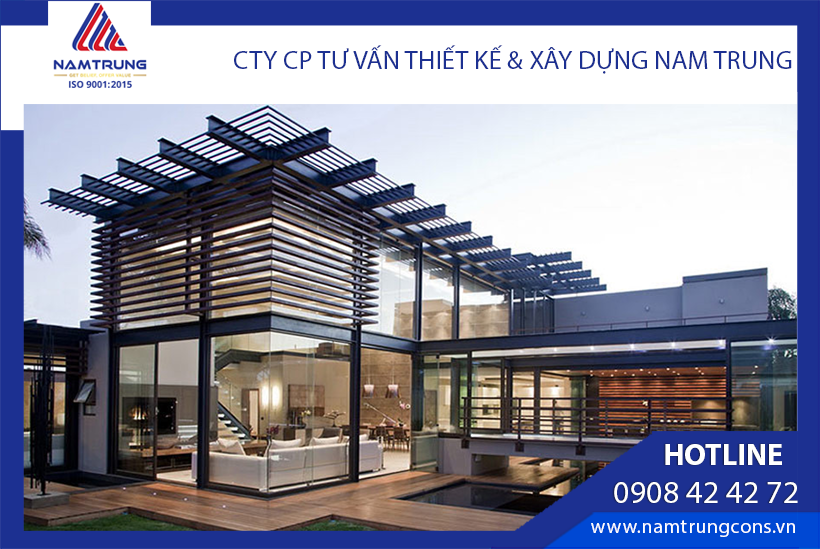
Two-story residential steel house
e) Commercial Centers & Offices
Malls and office buildings often adopt steel structures for design flexibility and efficient construction.
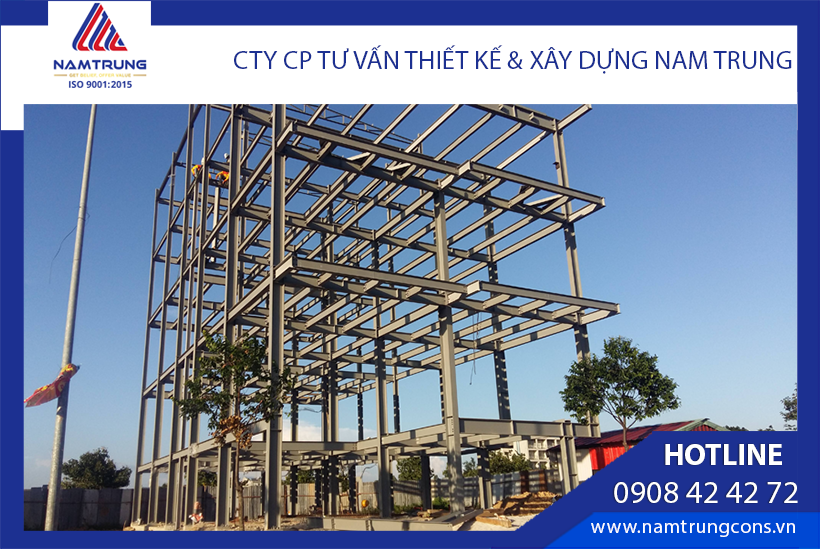
Nam Trung office building with steel structure
f) Manufacturing Plants & Facilities
Applied in the construction of factories and production bases to create large, safe spaces.
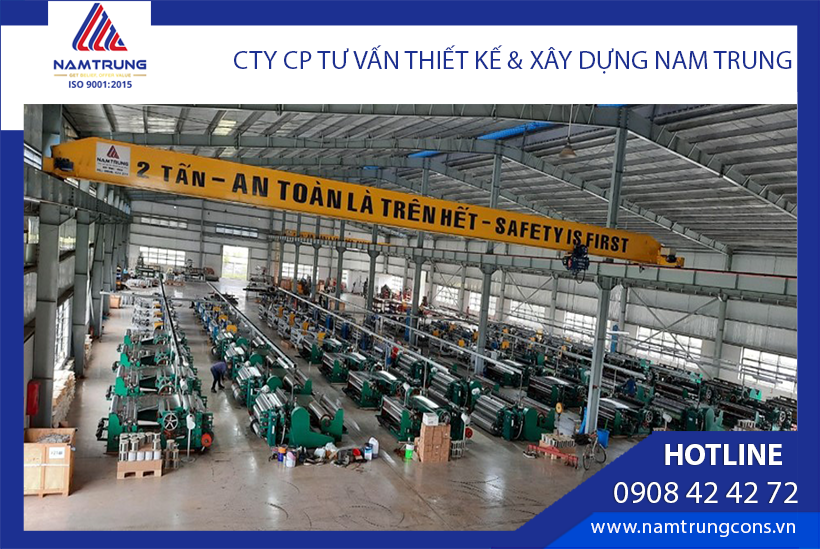
Shinil stainless steel mesh production factory
g) Sports Facilities
Stadiums and sports arenas often use steel structures to create strong load-bearing frameworks.
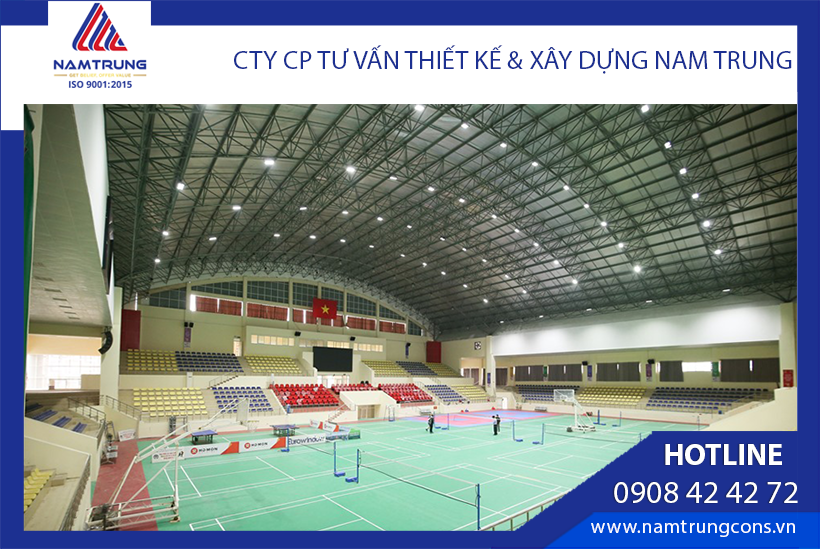
Steel roof for sports arena
i) Offshore & Oil and Gas Projects
Steel structures are used for offshore foundations and marine energy platforms.
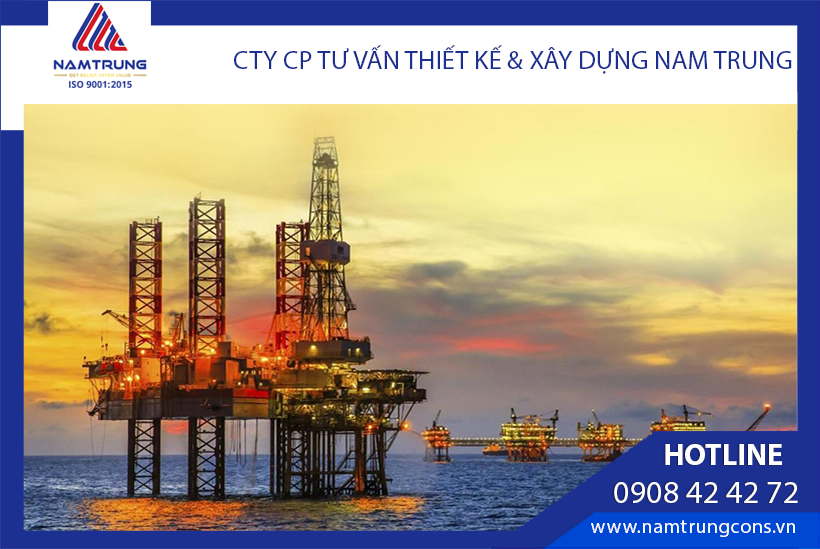
Oil rig built with steel structure
k) Public Transportation & Infrastructure Projects
Applied in major transport projects such as ports, train stations, and metro stations.

Metro station with steel structure
➤These applications are only examples — steel structures can be adapted for a wide variety of construction needs depending on project requirements.
